KĀWAI SOUNDSYSTEM INTERVIEW
We are continuing on with our takeover article series; this one is a conversation with Tū of Kāwai Soundsystem.
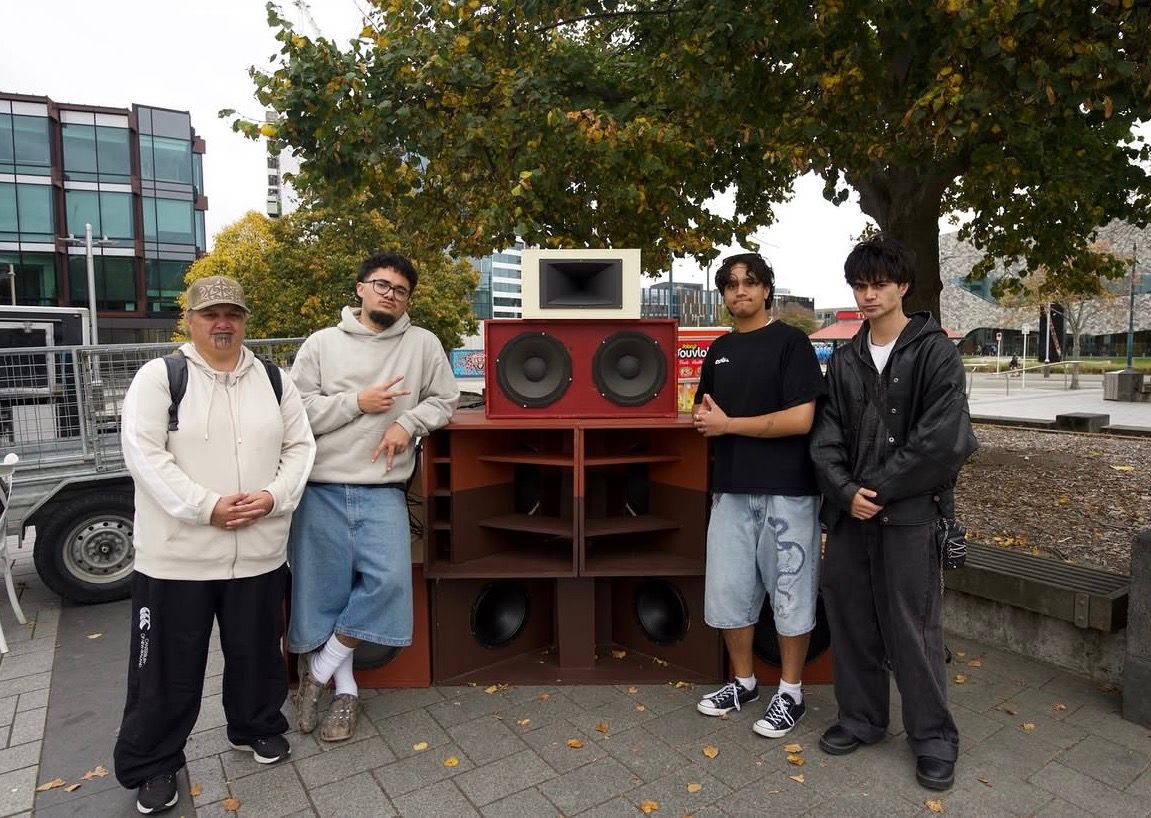
We are continuing on with our takeover article series; this one is a conversation with Tū of Kāwai Soundsystem who has had an incredible journey over the last year, with the DIY attitude at the centre of it.
What is Kawai Soundsystem and why did you start it?
Kāwai Sound System originally was a form of therapy after coming home to Ōtautahi from Tāmaki. I was stuck living in the past in my life in the UK and feeling a sense of shame after Tāmaki didn’t really work out for my partner and I. As I built each speaker, those thoughts slowly turned into dreams about what I wanted the system to be. To paraphrase Lady Shaka’s short film “Moving home from overseas as a Māori/polynesian gives you the boldness to take action on things you care about back home.” Or something like that. Anyways, that’s basically the reason for Kāwai’s existence today. What I cared about was bringing people together, empowering youth, and making māori more visible in spaces that they aren’t. I feel that there’s a lot of control of māori imagery in this country. A lot of pain, anger, taboo, even just super seriousness in general. Living overseas was the first time for me, I could be māori and not feel this weird weight of all these notions and presumptions built up by others over generations. I could just be māori and be in control of what that represents on the world stage. Kāwai in a sense is what that is in Aotearoa. It’s sovereignty in our imagery and sovereignty in making decisions in what being māori can look like in the next generation. There are so many different ways of being māori and seeing māori that I don’t think people realise. Kāwai Sound System is just another way of seeing māori and being māori. It’s culturally woven internationally, it’s fun, it’s safe, it’s proud, and it’s cool lol.
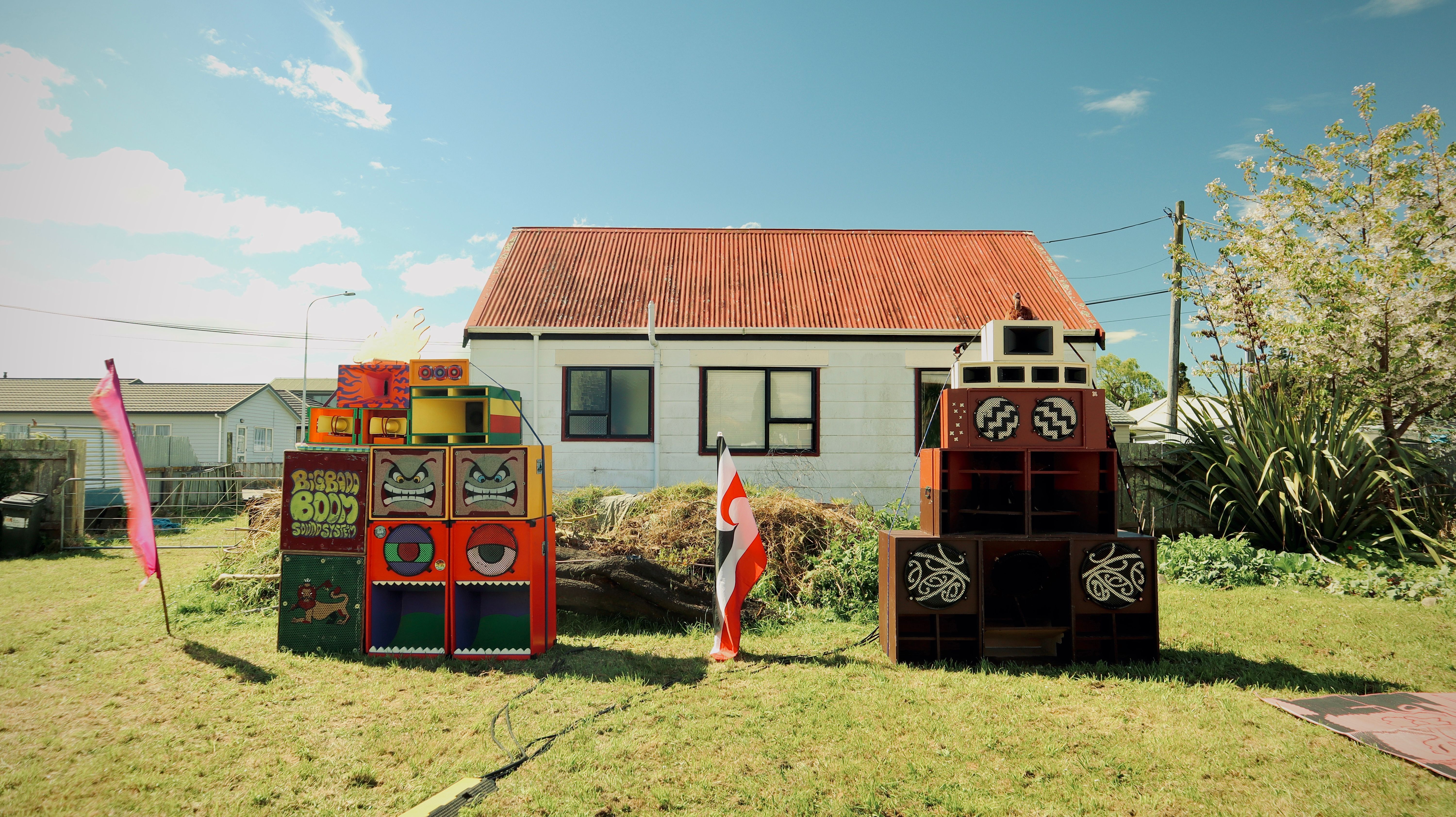
What is your favourite song to play on your rig?
‘Is this love’ by Bob Marley for sure. I think for me it holds so much. I reckon everyone has one song where every time you hear it, it teleports you back to a special time and place for you. For me, this song takes me back to my marae. I’m 10 years old again running around with my cousins before we get a growling for not helping in the wharekai. I’m back with my grandparents again and when my parents didn’t have grey hair. It’s a very sentimental song to me. To hear it on a big sound surrounded by others who love the same music, gives me the opportunity to be back in that space again. I feel my whānau who aren’t here anymore, in the crowd dancing with us again. Most my sessions are lowkey just Bob Marley full discography listening sessions tbh.
What can we expect for the takeover?
Honestly, no clue. I don’t think I’ve ever planned a set before with Kāwai sessions. A lot of it really is stocking up on records I feel align with my sound and kaupapa. From there, I just read the crowd throughout the session. I think I’ll apply that to this takeover. This will be my first time at twisted frequency so I’m excited to see what the crowd enjoys and finds mid. I had a crack up experience playing at Button Factory in Tāmaki with Bigbada Boom. Had a decent crowd by the time I was on and I loaded up my baddest stepper roots tune. It went off in Ōtautahi and I was sure that it would turn the spot up. Put it down and like 30 seconds in, everyone stops dancing and just gaps so I’m standing there like ._. oh true. Pretty crack up and it reminds me that there’s always something new to learn about others and one formula doesn’t apply everywhere. Will spend some time with some folks I know are heading there and try see how I should go about playing my music. Worst case scenario, its just a Bob Marley listening party for 3 hours lmfao.
You seem to be all over the motu, where are you based?
I actually don’t know aye. I think I’m in Wellington right now but also constantly going back to Christchurch for gigs all the time. I’m as confused as the next person who asks but in a way I kind of like it. It’s definitely a very fortunate position to be in and I’m still learning how to navigate it but for the most part just grateful. I have been in Pōneke currently establishing myself there with the system. Kind of introducing myself to different crews and getting a feel for the scene, trying to conceptualise how I can add to the scene through Kāwai. I try to stay fluid and on the move like my tipuna did. I model my journey with Kāwai after stories of my ancestors I used to hear from my whānau. Always moving and learning from the changing environments. Everywhere in Aotearoa is so different. From the people to the sound to the landscape. I believe that if I want Kāwai to bring people together, empower youth, and improve māori visibility, then I need to know how I can do that across the motu. Not just in one area. I do that by moving around and learning from the people and the environment. I’m quite privileged to have whānau up and down the country as well that I stay with. Taking the rig across the country has allowed me to stay close with them and keep them close. My older brother in Waikato just had a baby this year and through my mahi with Kāwai I’ve been real lucky to spend so much more time with the neph than I would’ve had without the sound. My grandparents are in Tūwharetoa and I get to see them more often now which is real special after being away for so long.
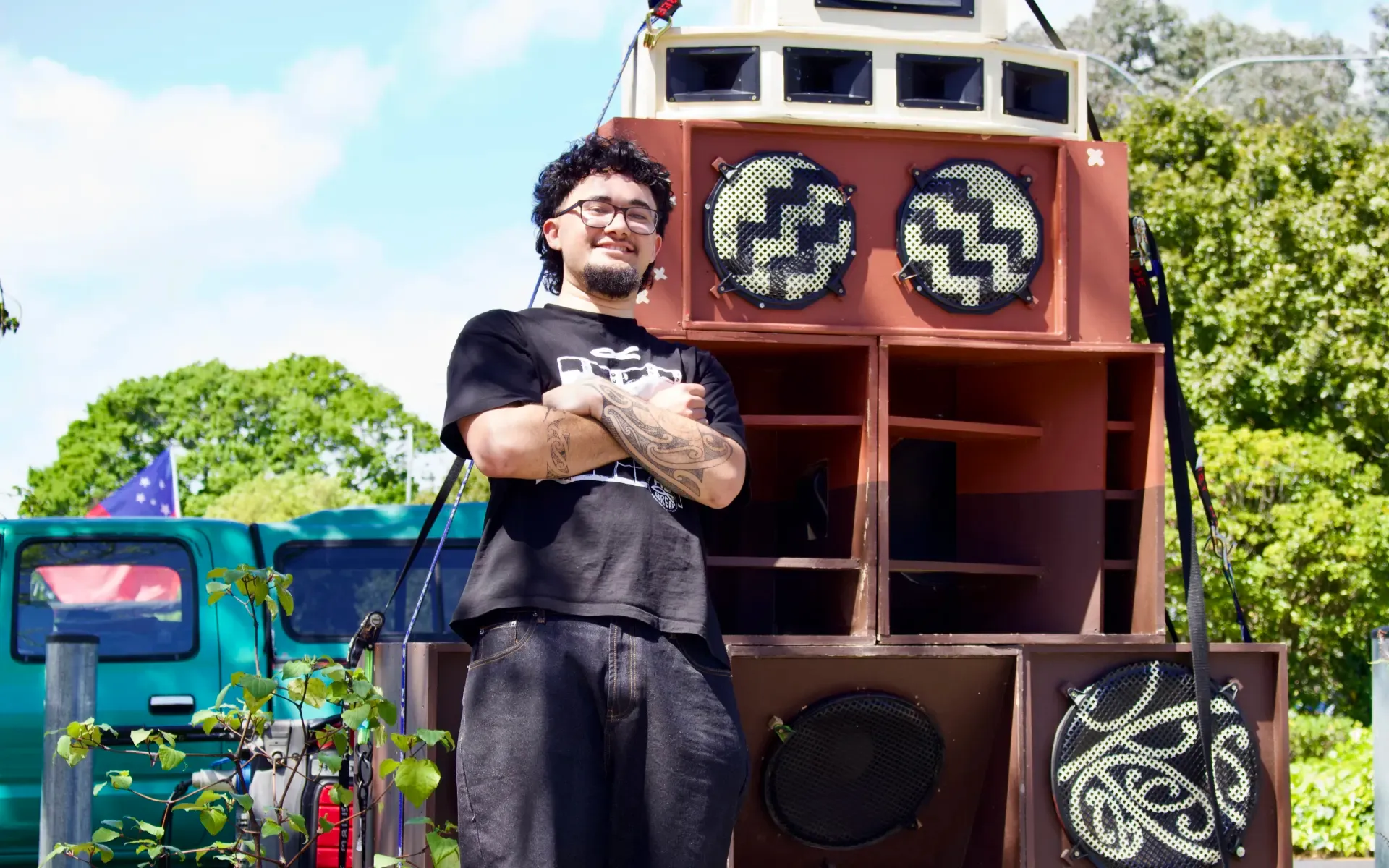
What has been the hardest part of Kāwai, and what has been the most rewarding?
Ahhh man so much. Building the system I thought I was just going to play loud music and that’s it. Nek minit I’m taking on event promotion, coordination, ticketing, and my face is all over the internet now. It’s definitely been a lot to get used to. I have times where I lock myself in my van or my room and just stare at a wall having an existential crisis with it all. But I remind myself that it’s part of the mahi and it’s for a bigger purpose than just myself or the system. When I see youth taking a chance on themselves and building sounds or community events after hanging out at a Kāwai gig or just having a yarn, that’s been the biggest reward for me. Seeing people come together and dance to reggae music is real special. There’s something about reggae that just hooks people in unity when it’s heard on a big sound. I don’t know if its the positive messaging, the baselines, or the one drops, or all of those things and more together. It really just unites aye. To be the one hosting that alongside my whānau and my friends makes it super special. One of the other main rewards of the sound system is seeing that it’s been received by all sorts of walks of life from any age and background. I’ve had my grandparents come through and enjoy themselves next to Gen Z goths, tamariki, and millennial dubstep heads. My mum and my little brother both run the door at my Ōtautahi sessions so it really sets the tone when people walk in that it’s a safe whānau space the whole night.
What is one of your standout memories from Kawai dances?
My dad suffered a stroke a couple years ago and has been on his recovery journey till today. He struggles to walk so is mainly in his wheelchair. I remember when I was building it and running my first sessions in Ōtautahi he had to stay home while the rest of the whānau came and helped out. It was quite hard to get him to understand what it was I was doing and why I quit my job to pursue this because he never got to see any of it. At Whenua Step 2! I did a meet with Roots Fire and I was determined to have my dad come along this time. He saw both rigs and was just like “Holyyyy sh**”. When the night kicked off and the music was pumping I remember just seeing him smile in the corner enjoying himself at the door with mum and Tane. After a short while, he got out of his chair and made the effort to walk slowly into the dancefloor and just felt the music. He loved it and I could see in that moment he understood why it exists and why I care so much about it. He was out far longer than I expected him to be. As he made his way in his wheelchair through the crowd to get to the accessible exit, everyone in the crowd helped each other make space for him without having to turn the music off. Wasn’t a big deal for anyone and everyone went back to dancing after wishing him a safe journey home. It was real nice and I was grateful that was the standard established by the people in the dance. Considering how jam packed it was in there, I was nervous as hell to be very honest hahaha.
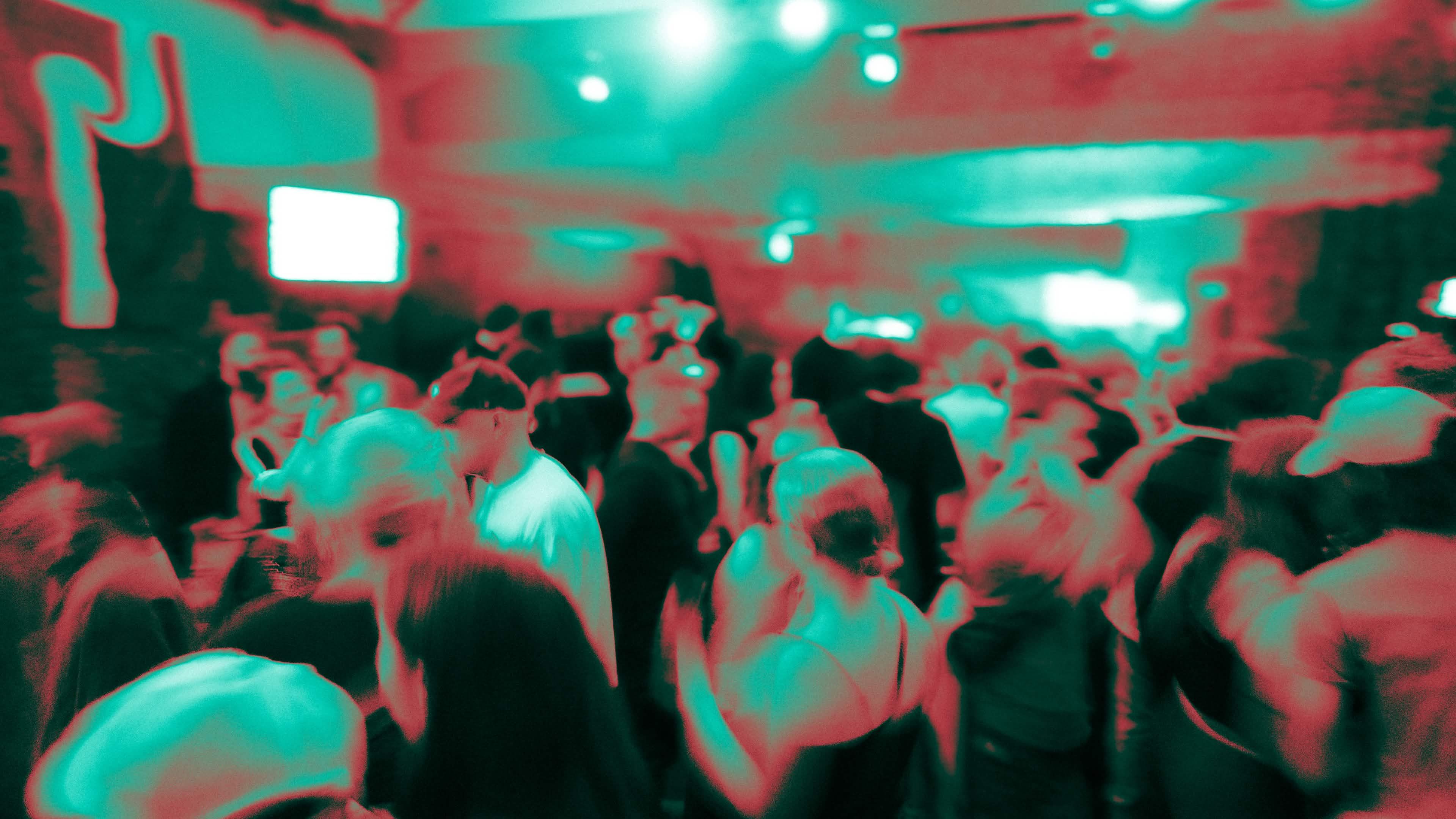
What’s in the future for Kāwai?
I feel like there’s so much possibility now. I feel that Kāwai has only just started and there’s a lot more mahi to do. I’m in the process of building an online record store called the ‘Kāwai Sound Shop’. The ultimate goal for that is to make physical media attractive and accessible to youth again. There’s a few reasons for that. Just things like owning music again, paying artists better, making music discovery social and organic like it used to be. Giving upcoming artists and producers better returns on their investment both financially and through reach. I dream of a physical space at some point that on paper is a record store but is really a cultural hub that extends to different mediums. Kind of modelled after places like Big Apple Records in Croydon, UK or Aloha Got Soul in Hawai’i or like Soulection. I believe that to build a scene and sound that’s revered around the world such as like Los Angeles, Berlin, London, Bristol, Melbourne, etc. you got to invest and create spaces for those who are coming up in your country. That’s going to take a long time to get to that point but I believe it’s possible. For now, I’ll keep putting on shows and sell cheap records until that point lol
Anything else you’d like to add?
I think just look at Kāwai as proof that you can do something crazy that you believe in. But like not reach it traditionally or linearly, if that makes sense? You don’t need $50,000 to build a sound from scratch. You might just need a random Italian dude selling scrap MDF on marketplace for free to build all your boxes. You might just need to ask your uncle if you can use his garage to build it. You might just need to post one horrible video of yourself promoting a gig to nobody and get 100 views to sell out your first show. Or use Spotify to run your first session hahahaha.
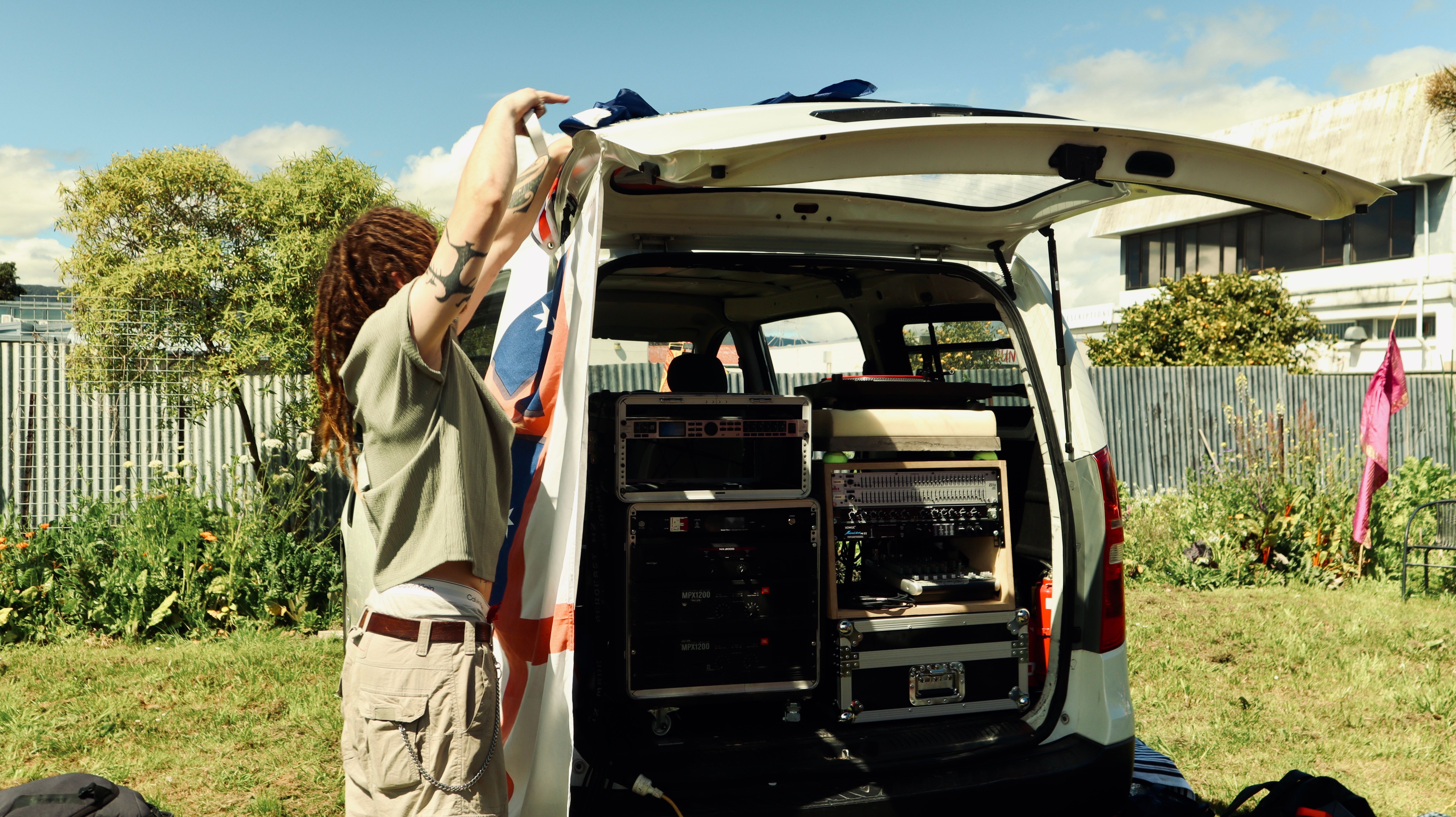
Point being is Kāwai’s success this year is a testament to both just giving it a crack and being super unqualified at a bunch of things you shouldn’t be doing but you love. It’s also because of having people around the system that’s supported it from the go. There’s been so much manaaki and aroha from people up and down the motu o Aotearoa that I will never be able to thank enough. Big love to everyone that has supported through showing up, sharing the message, buying tickets, and just being a part of the kaupapa. LOVE! KĀWAI FOREVER!